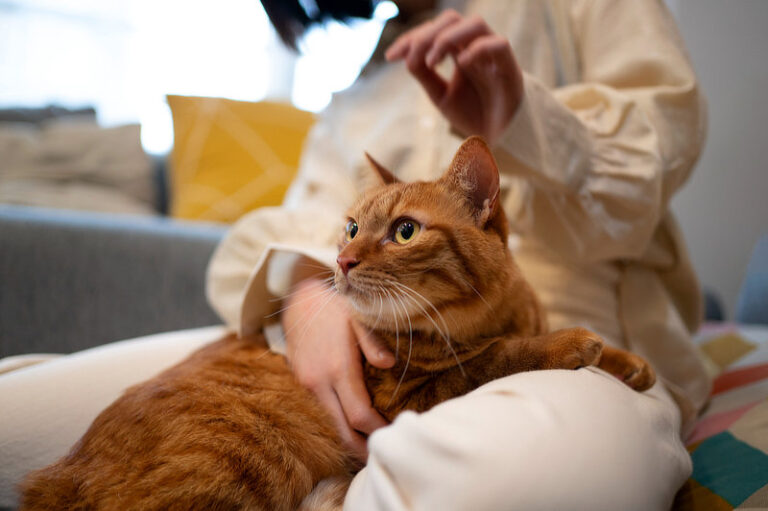
Creating a comfortable home for cats is one of the most important things every pet owner should focus on.
When cats feel safe, relaxed, and secure in their environment, they’re more likely to thrive emotionally and physically. A well-designed, cat-friendly home helps reduce stress and allows your furry companion to truly feel at ease.
Here are some simple tips to make your home a place where cats feel safe, comfortable, and truly at home:
1. Provide Perches and Vertical Spaces
Cats love being up high where they can observe their surroundings.
You can install wall shelves, cat trees, or special climbing areas so they feel more secure and have fun exploring their environment.
2. Create Quiet Hiding Spots
Cats need private spaces to retreat to when they feel stressed or just want to rest.
Provide boxes, cat tents, or quiet corners of the house with minimal disturbance so they have a comfortable hiding spot.
3. Keep the Litter Box Clean
A clean litter box is crucial for a cat’s comfort and health. Scoop it daily and place it in a quiet but easily accessible area.
4. Offer Toys and Stimulating Activities
Cats need both mental and physical stimulation to prevent boredom.
Provide a variety of toys, such as balls, feather wands, or puzzle feeders, to engage their hunting instincts and keep them active.
5. Stick to a Daily Routine
Cats thrive on routine. Try to feed, play, and interact with your cat at the same times each day so they feel more secure and relaxed.
6. Provide a Cozy Sleeping Area
A soft, warm bed placed in a quiet area will help your cat feel at ease. You can add a special cushion or their favorite blanket in a spot that’s not too busy.
7. Avoid Loud Noises and Too Much Disturbance
Cats are easily stressed by loud sounds and excessive activity. Keep your home calm and avoid playing loud music or using noisy electronics near your cat’s favorite areas.
Reasons Why Cats May Feel Uncomfortable at Home
Here are some common reasons your cat might not feel comfortable in your home:
1. Health Issues or Pain
According to PetMD, cats that are sick or in pain often become restless and uncomfortable.
Poor physical health can make them more sensitive to their surroundings, causing them to withdraw or hide more often.
2. Past Trauma
Cats that have experienced abuse or frightening situations in the past may carry long-term emotional effects. Things that seem normal to humans can feel threatening to a traumatized cat.
3. Lack of Early Socialization
Cats that weren’t properly socialized with humans or their environment as kittens are more likely to grow up fearful and have trouble adapting.
Proper socialization during the early weeks of life is key to developing healthy behavior.
4. Separation Anxiety
Some cats experience separation anxiety, meaning they become overly stressed when left alone.
This can stem from their adoption history, limited interaction with other family members, or fear of unfamiliar sounds at home.
5. Environmental Changes or Disturbances
According to 9Lives, cats are highly sensitive to change—whether it’s new guests, a new pet, renovation noises, or even rearranged furniture. These changes can make them feel threatened and uncomfortable.
6. Conflict with Other Pets
In households with multiple pets, competition over sleeping spots, litter boxes, or owner attention can cause tension. This lack of harmony can make cats feel anxious and less willing to behave normally.
7. Lack of Safe and Comfortable Spaces
According to PDSA, cats need quiet, hidden spaces where they can rest or be alone. Without these safe spots—especially in a noisy or busy home—cats may feel exposed and insecure.
8. Limited Perches or Vertical Areas
Cats feel safer when they can climb and stay elevated. Without shelves, perches, or climbing structures, cats may lose that sense of security and become more uneasy.
Those are some simple ways to create a comfortable home for your cat. Hopefully, with these tips, your furry companion will feel happy and right at home